 Skip to content


Investing in real estate in Casablanca can be attractive because the city is Morocco’s economic capital, with stable demand for homes for sale and rent. Major growth drivers such as the 2030 World Cup and ongoing urban development are seen as key forces behind the market, while foreign buyers from Belgium, the Netherlands, or elsewhere are free to purchase property in urban Morocco without a residence permit or a local partner. At the same time, there are real risks: returns vary significantly by neighborhood and property type; you’ll pay 6 to 8 percent in additional costs; and upon sale, a capital gains tax of typically 20 percent applies. In this article, you’ll learn about the opportunities and risks involved, which neighborhoods and property types are attractive to investors, and how to build a well-thought-out investment step by step.
Summary: These are the key points
- Economic capital: Casablanca has stable demand for homes for sale and for rent.
- Growth Drivers: The 2030 World Cup and urban development are seen as driving forces.
- Central neighborhoods: Gauthier, Racine, and Maarif are great for renting.
- Coast: Ain Diab is a popular rental destination for expats and tourists.
- Yield: Gross and net differences; always include costs and taxes in your calculations.
- Fees and Taxes: 6 to 8 percent in additional costs and a 20 percent capital gains tax upon sale.
- Risks: Market risk, exchange rates, title to property, vacancy rates, and costs require attention.
Why Invest in Casablanca?
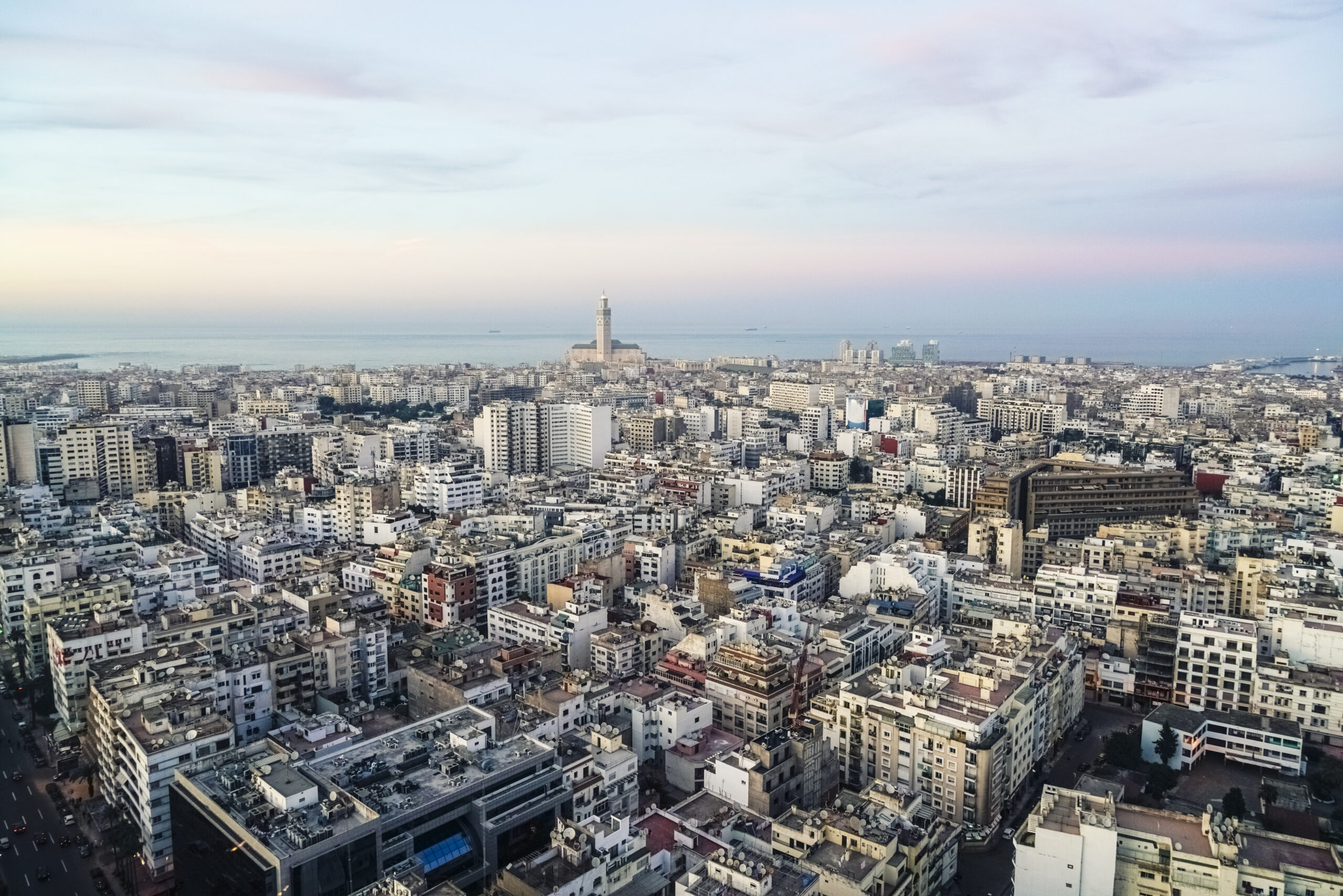
Casablanca is Morocco’s economic engine and attracts businesses, workers, and students from across the country and beyond. This concentration of economic activity drives sustained demand for housing, both for purchase and for rent. For an investor, this is a key consideration: a city with a broad and diverse population and an active labor market generally offers a more stable foundation than a location that is entirely dependent on, for example, seasonal tourism. Furthermore, foreigners are free to purchase residential and commercial real estate in urban areas of Morocco without a residence permit, visa, or Moroccan partner. This makes the process surprisingly accessible from a legal standpoint for Belgian and Dutch buyers.
At the same time, investing is no guarantee of a profit. Returns vary greatly by neighborhood, street, and type of home, and you must always factor in additional costs and taxes. However, those who start with realistic expectations and do their research thoroughly can build a solid long-term investment in Casablanca. In the rest of this article, we’ll first look at the opportunities, then at the specific choices regarding neighborhoods and property types, and finally at the risks and tax considerations you should keep in mind. You can find a complete overview of the market in our A Complete Guide to Buying Real Estate in Casablanca.
Opportunities for Investors
Economic hub with broad demand
As the economic capital, Casablanca is home to a large portion of Morocco’s economic activity, ranging from financial institutions to manufacturing and services. These job opportunities continually attract new residents looking for housing, creating broad and stable demand. For an investor, this means there is a natural rental market across many segments, ranging from young professionals looking for an apartment in a central neighborhood to families seeking more spacious living arrangements. This diversity spreads the risk: you are not dependent on a single target group, but can tailor your investment to the segment that best fits your budget and strategy.
The 2030 World Cup as a driver of growth
Morocco is one of the host countries for the 2030 World Cup, and many view this as a driving force behind the real estate market. Major international events are typically accompanied by investments in infrastructure, transportation, and amenities, as well as increased attention to the country as a destination. For Casablanca, this could enhance its long-term appeal, both for residents and visitors. It’s important to keep a level head here: the World Cup is seen as a driver of growth, but no one can guarantee an exact return on investment or price increase. Read more about the potential impact in our article on the Impact of the 2030 World Cup on the Real Estate Market in Casablanca.
Ongoing urban development
In addition to the World Cup, broader urban development plays a role. Casablanca is constantly evolving, with modern business districts, new residential projects, and improvements to the urban environment. This development can make neighborhoods more attractive and support demand for high-quality real estate. For an investor, it is worthwhile to look at areas where visible investment is taking place, as opportunities may arise there over time. Here, too, urban development is a guiding factor rather than a guarantee: some neighborhoods benefit more than others, and it remains important to assess, on a location-by-location basis, whether the demand and the quality of the supply actually align with your plans.
Stable rental demand
One of the main reasons to invest in Casablanca is the demand for rentals. In the central neighborhoods, there is a steady demand from professionals and families looking to rent a home, while along the coast, expats and tourists primarily make up the market. This combination gives you, as an investor, several options: you can focus on long-term rentals to permanent residents or on shorter-term rentals to temporary tenants. Which strategy yields the highest return depends on the neighborhood, the type of property, and your own preferences. In all cases, it’s wise to realistically estimate the expected rental income and compare it to the purchase price and associated costs, so you can get a clear picture of the return on investment.
Which neighborhoods are attractive to investors?
The choice of neighborhood largely determines the type of tenant you attract and the return you can achieve. Below, we discuss the most important areas for investors. You can find a more comprehensive overview of all neighborhoods in our article on the Best Neighborhoods in Casablanca for Real Estate, in which we describe the atmosphere, the crowd, and the price range for each neighborhood.
| Neighborhood | Profile | Suitable for |
|---|---|---|
| Gauthier | Chic and centrally located, with many professionals | Long-term rentals |
| Racine | Chic and centrally located | Long-term rentals |
| Maarif | Lively and bustling, with shops and restaurants | Renting to Young Tenants |
| Ain Diab | Coastal neighborhood on the Corniche: luxury and ocean views | Rentals to expats and tourists |
Central Neighborhoods for Rent
The central neighborhoods of Gauthier, Racine, and Maarif are known for their strong rental appeal. Gauthier and Racine are upscale, central neighborhoods that primarily attract professionals, while Maarif is lively and commercial, with many shops and restaurants. For an investor seeking stable, long-term rentals, these neighborhoods are often a logical choice: they are centrally located, have amenities within easy reach, and enjoy consistent demand from tenants who want to live close to their work and city life. Apartments are the most common type of property here and are well-suited for rental, partly due to their relatively low maintenance compared to a house with a yard.
The Coast for Expats and Tourists
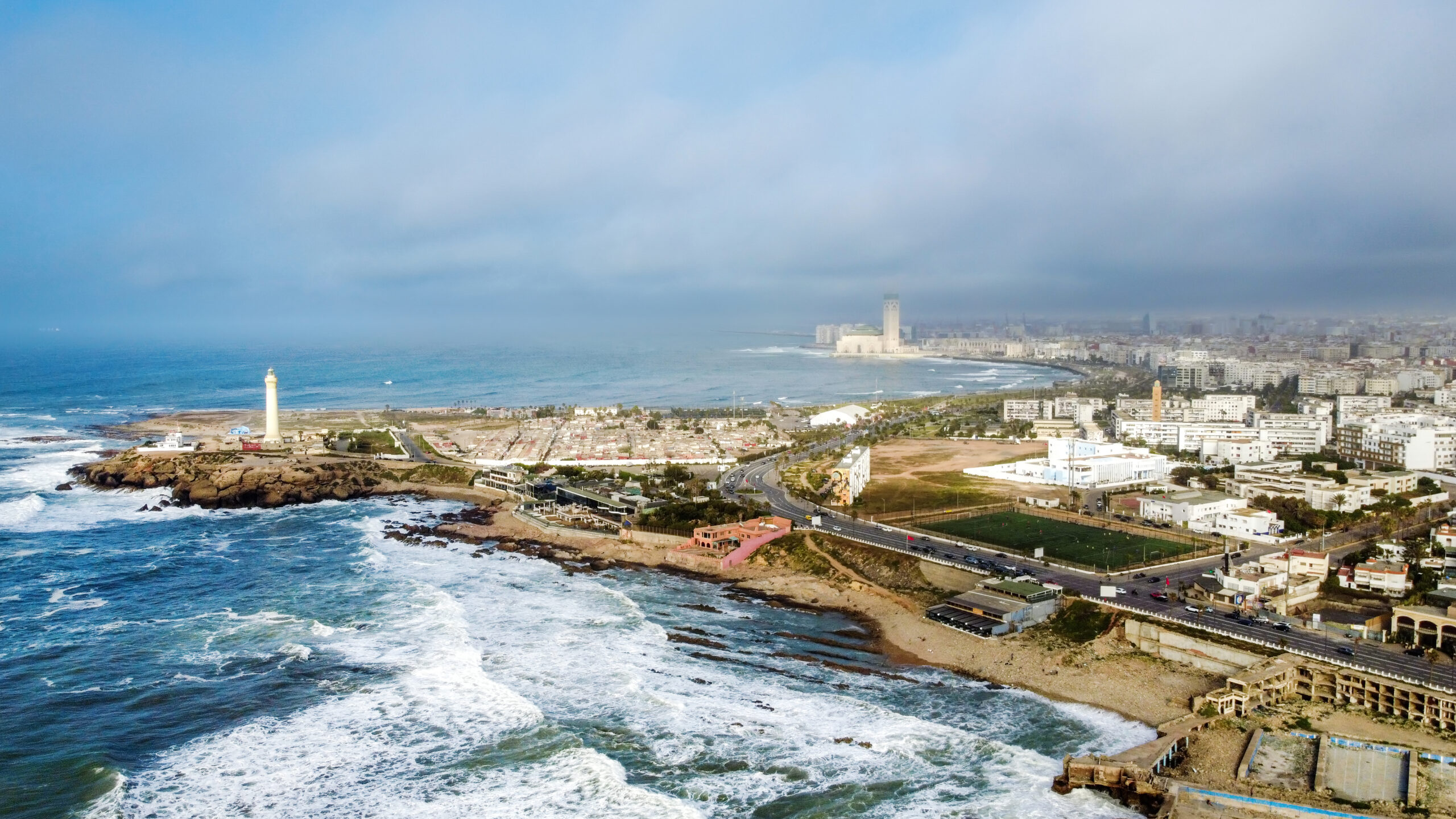
On the coast, Ain Diab—located along the Corniche—is a popular choice for rentals among expats and tourists. This neighborhood is known for its upscale atmosphere, ocean views, beach clubs, and proximity to well-known attractions. For an investor focused on short-term or seasonal rentals, this can be an attractive opportunity, as the coastal location appeals to a specific demographic. However, it’s important to realize that this segment can be more susceptible to fluctuations, such as those caused by seasonal factors or changes in tourist traffic. A thorough assessment of expected occupancy rates and rental prices is therefore essential before proceeding with a purchase.
New Construction as an Investment Option
New construction is a separate consideration for investors. Newly built homes are modern and energy-efficient, and they are typically exempt from the annual property tax for the first five years, which keeps costs low in the beginning. They are often sold off-plan—known as “VEFA”—where you make payments in installments as construction progresses. This can be attractive, but it also requires trust in the developer and a thorough understanding of the contract. If you’re considering buying a new home, you should first read our article about Buying a New Home in Casablanca, in which we discuss the benefits, key considerations, and how off-plan purchases work.
Gross vs. Net Return
When evaluating an investment, the difference between gross and net returns is crucial. The gross return is the ratio of annual rental income to the purchase price, without taking costs into account. The net return deducts all expenses from that figure: the additional purchase costs of 6 to 8 percent, annual taxes, any maintenance and management costs, periods of vacancy, and—upon sale—capital gains tax. The net return therefore provides a much more realistic picture of what an investment actually yields. Many investors are tempted by an attractive-looking gross figure, while only the net return reveals whether a property is truly financially worthwhile.
Returns in Casablanca vary by neighborhood and property type, and there is no fixed percentage that applies to the entire city. That’s why it’s important to perform a separate calculation for each property, using realistic assumptions about rent, occupancy, and costs. Always include the 6 to 8 percent in additional costs in your return-on-investment calculation, as these have a direct impact on your initial investment. If you’d like to learn more about calculating returns, read our article on Rental yield in Casablanca, in which we explain step by step how to calculate gross and net returns and which factors influence the result.
The Risks of Investing in Casablanca
No investment is risk-free, and investing in real estate abroad requires extra attention. By understanding the key risks in advance, you can better assess and mitigate them. Below, we discuss the risks that investors in Casablanca most commonly face.
Market Risk
The real estate market moves in tandem with the economy, supply, and demand. Prices and rents can rise, but they can also stagnate or fall, depending on the neighborhood and the broader context. Growth drivers such as the 2030 World Cup and urban development are seen as positive factors, but they are no guarantee. Diversify your expectations and plan for a long-term investment horizon rather than a quick profit. This way, you’ll be less vulnerable to temporary fluctuations and give your investment time to prove itself. Choosing the right neighborhood and setting a realistic purchase price are your most important safeguards against market risk.
Exchange Rate Risk
As a Belgian or Dutch investor, you think and calculate in euros, while you buy, rent out, and sell in Moroccan dirhams. Fluctuations in the exchange rate can affect your return in euros, both positively and negatively. It is difficult to completely rule out this risk, but it helps to be mindful of it in your calculations and not to assume a fixed exchange rate. Also keep in mind that payments and any financing are processed through specific foreign-currency accounts, which affects the practical aspects of exchange-rate risk.
Title to Property and Melkia
One of the most significant legal risks concerns the title to the property. A Titre Foncier is a registered, state-guaranteed title with a low risk of dispute, whereas a Melkia is a traditional, unregistered document that carries a higher risk and is more difficult to finance. Never buy without verifying the title, and preferably have a Melkia converted to a Titre Foncier before signing. Also, keep in mind that a clear title does not specify what you are allowed to build; check the land’s zoning designation. Read exactly how this works in our article on the Title Deed, Titre Foncier, and Melkia.
Vacancy Rate
Rental income is only generated once your property is actually rented out. Periods of vacancy directly impact your return on investment, especially if you assumed the property would be rented year-round. The risk of vacancy varies by neighborhood and market segment: central neighborhoods with broad demand typically have more stable occupancy rates than segments that are more dependent on seasonal or tourist rentals. In your calculations, factor in a realistic occupancy rate and do not assume a fully occupied year. This will prevent your net return from falling short as soon as the property stands vacant for a while.
Costs
Additional costs and taxes pose a risk if they are not properly factored in. In addition to the 6 to 8 percent purchase costs, there are annual taxes, potential maintenance and management costs, and capital gains tax upon sale. Anyone who overlooks these items will have an overly optimistic view of the return on investment and will be in for a rude awakening later on. You can find a complete overview of all expenses in our article on the Costs, Notary Fees, and Taxes for Real Estate in Casablanca. Be sure to factor these costs into your calculations from the start, so that your expected return remains realistic.
Tax Considerations for Investors
The tax implications of an investment have a direct impact on your net profit. As a property owner, you pay annual local taxes, including property tax and municipal service fees, although new construction is generally exempt from property tax for the first five years. The most significant tax consideration for an investor, however, is the capital gains tax upon sale. If you later sell the property at a profit, a rate of 20 percent generally applies, with a minimum of 3 percent of the sale price. This tax can take away a significant portion of your realized profit, especially in the case of a short-term sale.
For an investor, this means you must factor capital gains tax into your strategy from the very beginning. A longer investment horizon can help spread out its impact and allow for interim rental income to be included in the total return. Always have the exact calculation confirmed by your notary or a tax specialist, as the precise application depends on your situation and the rules in effect at the time of sale. This way, you can avoid surprises and plan your investment realistically, with a clear picture of your net return.
Step-by-Step Guide for Investors
A structured approach helps you make informed investment decisions and minimize risks. The following steps outline a logical sequence from initial research to purchase:
- Determine your goal and strategy: Are you aiming for long-term rentals, rentals to expats, or long-term appreciation?
- Choose a neighborhood that fits your strategy—for example, central neighborhoods for stable rental income or the coast for expats and tourists.
- Select a property type that fits your budget and target audience, such as an apartment, a villa, or a new construction.
- Prepare a realistic return on investment calculation using gross and net figures, including the 6 to 8 percent costs.
- Have the title deed verified and, if necessary, convert a Melkia to a Titre Foncier before you sign.
- Include taxes in your calculations, including annual property taxes and the 20 percent capital gains tax upon sale.
- Hire your own independent notary and work with a reliable real estate agent.
By following these steps, you’ll build your investment based on a clear plan rather than on a hunch. You’ll know what type of tenant you want to attract, what return is realistic, and what legal and tax matters need to be addressed. That preparation makes the difference between an impulsive purchase and a well-thought-out investment. Take the time to carefully go through each step, and seek assistance from specialists on the legal and financial aspects so that you can make a decision with confidence.
Common Mistakes You Should Avoid
- Focusing solely on the gross return and ignoring the 6 to 8 percent in fees and taxes.
- Do not include the 20 percent capital gains tax on the sale in the strategy.
- Purchasing without verifying the title deed or converting a Melkia to a Titre Foncier.
- Assume a fully occupied year and do not take vacancies into account.
- Viewing the 2030 World Cup or urban development as a guaranteed profit rather than a potential driver of growth.
Frequently Asked Questions
Why is Casablanca an attractive place to invest?
Casablanca is the economic capital of Morocco, with stable demand for homes for sale and rent. Growth drivers such as the 2030 World Cup and urban development are seen as the driving forces behind the market.
Which neighborhoods are best for renting?
The central neighborhoods of Gauthier, Racine, and Maarif are known for their strong rental potential, while the coastal neighborhood of Ain Diab is popular for renting to expats and tourists. The best choice depends on your strategy.
What is the difference between gross and net return?
The gross return is the rental income divided by the purchase price, excluding expenses. The net return deducts all expenses—such as the 6 to 8 percent in fees, taxes, and vacancy costs—and provides a more realistic picture.
What taxes do I have to pay when I sell my investment?
If you sell a property at a profit, a capital gains tax of 20 percent generally applies, with a minimum of 3 percent of the sale price. Have your notary or tax advisor confirm the exact calculation.
What are the main risks?
The main risks are market risk, exchange rate risk, risks related to property titles such as Melkia, vacancy, and underestimated costs. Proper preparation helps mitigate these risks.
As a foreigner, can I invest freely in Casablanca?
Yes, foreigners are free to purchase residential and commercial real estate in urban areas of Morocco without a residence permit, visa, or Moroccan partner. An exception applies to agricultural land outside designated zones.
Will the 2030 World Cup guarantee a higher return?
No. The 2030 World Cup and urban development are seen as drivers of growth, but no one can guarantee an exact return on investment or price increase. Consider them potential opportunities, not certainties.
Please note: The prices, rates, and taxes listed are estimates based on public sources (2026) and may vary by neighborhood, project, and time. Always have the exact amounts confirmed by your notary, bank, or real estate agent before entering into any commitment.


 Dutch
 English
 French