 Skip to content

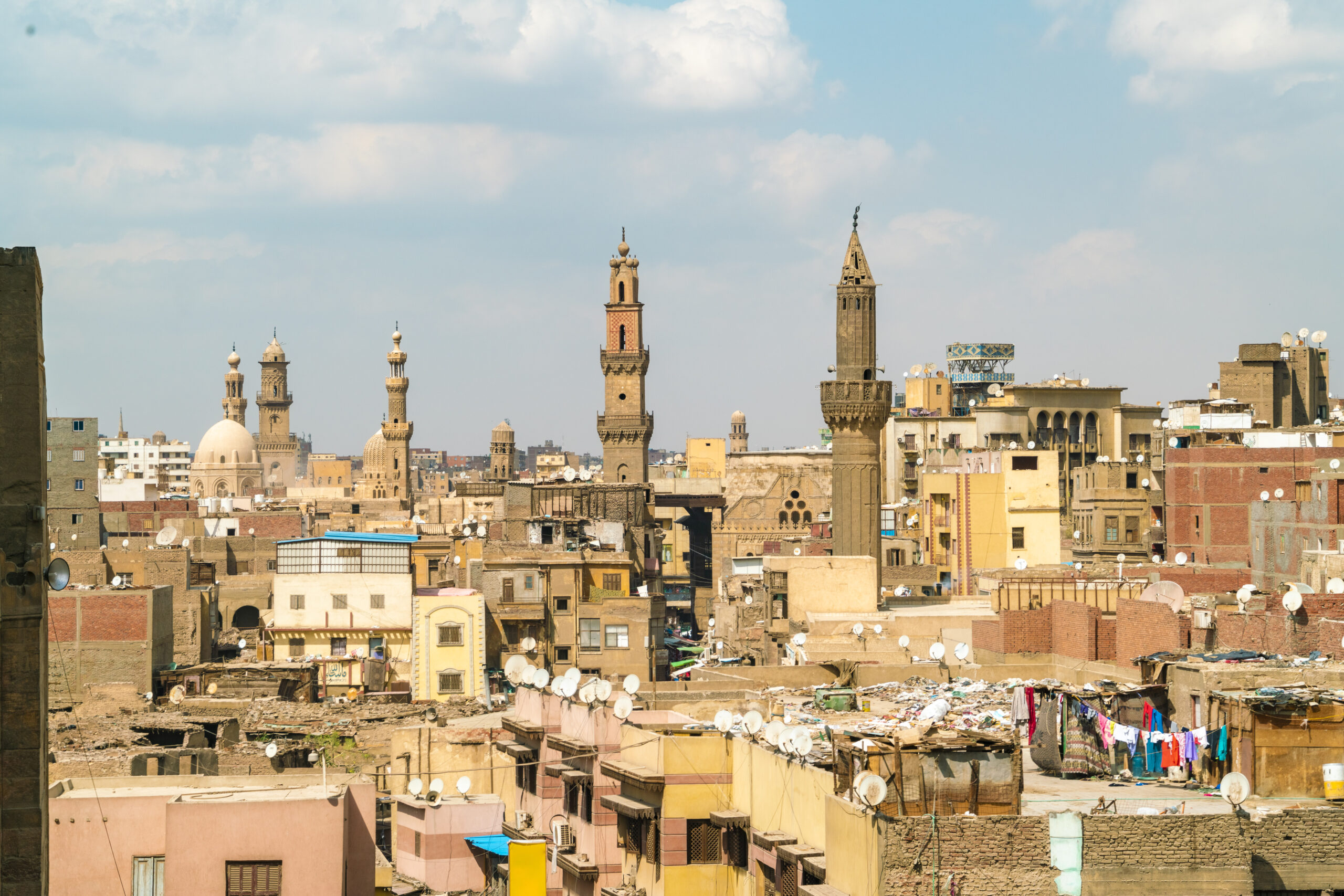
In addition to the purchase price, you will typically pay 6 to 8 percent in additional costs when buying real estate in Casablanca. These consist mainly of registration fees of about 4 percent, land registry fees of 1 to 1.5 percent, and notary fees of 0.5 to 1.5 percent, plus stamp duties and administrative fees. You should also factor in taxes during ownership and upon a future sale. For foreign buyers from Belgium, the Netherlands, or elsewhere, it’s important to include these costs in your budget from the start, as they make a significant difference in the total amount you’ll need. In this article, you’ll learn exactly what costs to expect, how they’re calculated, what a realistic example calculation looks like, and how to avoid unpleasant surprises.
Summary: These are the key points
- Total additional costs: Expect to pay 6 to 8 percent on top of the purchase price.
- Registration fees: approximately 4 percent for developed real estate, 5 percent for land.
- Land Registry (ANCFCC): about 1 to 1.5 percent.
- Notary: approximately 0.5 to 1.5 percent, plus sales tax.
- If owned: Annual property tax; new construction is often exempt for 5 years.
- Upon sale: capital gains tax, typically 20 percent, with a minimum of 3 percent.
What additional costs are there on top of the purchase price?
The additional costs associated with a purchase in Casablanca are largely set by law and are therefore fairly predictable. However, the exact amount varies per transaction, depending on the price, the type of property, and whether it is a new construction or an existing property. Many foreign buyers initially underestimate these costs, which can leave them short on funds later on when it comes time to finalize the purchase. By realistically estimating these costs in advance, you can avoid surprises and leave yourself room to negotiate the price. The table below provides an overview of the main expenses you’ll pay in addition to the purchase price.
| Cost item | Recommended Rate |
|---|---|
| Registration Fees (Developed Land) | about 4 percent |
| Registration Fees (Undeveloped Land) | about 5 percent |
| Land Registry / ANCFCC | 1 to 1.5 percent |
| Notary Fees | 0.5 to 1.5 percent, plus VAT |
| Stamps and Administration | small fixed amounts |
Together, these items typically amount to 6 to 8 percent of the purchase price. In practice, registration fees, land registry fees, and notary fees account for the lion’s share of that amount, while stamp duties and administrative fees remain relatively small. It’s wise to include this percentage in your budget from the very beginning, so you know exactly how much you’ll need to complete the purchase and avoid any unpleasant surprises.
Registration Fees in Detail
Registration fees, known in French as “droits d’enregistrement,” are typically the largest additional expense. They are levied on the purchase price and paid to the notary at the time of the transfer. The rate depends on the type of property you are purchasing, and there are a few exceptions and reduced rates that can affect the amount.
Developed real estate
For a fully finished apartment or villa, the rate is generally around 4 percent. This is the rate most buyers in Casablanca will encounter, whether they’re purchasing a move-in-ready apartment in Gauthier or a villa in Anfa. Since this percentage is calculated based on the total purchase price, the amount can quickly add up for more expensive properties, which is another reason to factor it into your budget carefully in advance.
Undeveloped land
For undeveloped land, the rate is usually slightly higher, around 5 percent. Anyone buying land for development should therefore take this into account, in addition to checking the zoning and classification of the parcel. Land is subject to stricter regulations, and especially for rural parcels, it’s wise to verify in advance what you’re allowed to build there before proceeding with the purchase.
Reduced rates
For certain categories, such as qualifying social housing or affordable housing, a reduced rate may apply. Whether you qualify for this depends on the type of home and the conditions in effect at the time of purchase. Your notary can verify this for you and calculate which rate applies to your specific situation, so you don’t end up paying more than necessary.
Land Registry Fees at the ANCFCC
In addition to the registration fees, you will pay costs for registering the property with the national land registry, the ANCFCC (Agence Nationale de la Conservation Foncière, du Cadastre et de la Cartographie). These fees typically range from 1 to 1.5 percent of the purchase price, sometimes supplemented by a small fixed amount. Thanks to this registration, your property is officially registered and your Titre Foncier is updated in your name. This is an essential step: only after registration are you formally and verifiably the owner, with all the legal protections that come with it.
Notary Fees and the Role of the Notary
The notary plays a central role in the purchase process. He drafts the purchase agreement and the final deed, verifies the title with the ANCFCC, collects the applicable taxes on behalf of the government, and arranges for the registration of the transfer. Notary fees are based on an official scale and typically range from 0.5 to 1.5 percent, plus VAT. In return, you receive legal certainty regarding the transaction, which more than justifies the cost.
It’s best to choose your own independent notary rather than the one suggested by the seller or real estate agent. That way, you can be sure your interests are properly represented and that all checks are carried out thoroughly. Request a detailed quote in advance so you know which services are included in the fee and won’t be faced with any unexpected charges later on. Also read about how to Have the title to the property verified and how it purchase process proceeds step by step.
What taxes do you pay as a homeowner?
Annual Taxes
As a homeowner, you pay annual local taxes, including the housing tax (taxe d’habitation) and the municipal services tax (taxe de services communaux). The amount depends on the assessed value and the use of the property—for example, whether you live there yourself or rent it out. Newly built homes are generally exempt from the housing tax for the first five years, which makes new construction particularly attractive from a tax perspective and keeps annual expenses low in the beginning.
Tax on the Sale
If you sell the property later at a profit, a capital gains tax of typically 20 percent applies, with a minimum of 3 percent of the sale price. Keep this in mind when calculating your net return, especially if you plan to sell in the short term. A good notary or tax specialist can help you estimate in advance how much you’ll owe in taxes upon sale, so you can plan your investment realistically.
Sample Calculation: Apartment Priced at 2,000,000 MAD
A concrete example makes the costs easier to grasp. Suppose you buy an existing apartment for 2,000,000 MAD in a central neighborhood. Based on the standard rates, your total costs would look something like this. This example is intended as an illustration; the exact amounts may vary slightly from transaction to transaction.
| Post | Calculation | Amount (MAD) |
|---|---|---|
| Purchase Price | 2.000.000 | |
| Registration Fees | 4 percent | 80.000 |
| Land Registry (ANCFCC) | 1.25 percent | 25.000 |
| Notary plus VAT | about 1.2 percent | 24.000 |
| Total additional costs | about 6.5 percent | 129.000 |
In this example, you’ll need approximately 2,129,000 MAD to complete the purchase. The exact amounts may vary slightly, but this gives you a realistic idea of what to expect. Stick to the rule of thumb of 6 to 8 percent when budgeting, and if in doubt, use the higher percentage so you have a buffer. This way, you’ll never face any unpleasant surprises during the closing process, and the transaction will go smoothly.
When do you pay which fees?
It helps to know when during the process you’ll be paying which amounts, so you can plan your cash flow effectively. The first payment is typically a down payment of 10 to 20 percent upon signing the preliminary purchase agreement. This amount is deposited into an escrow account and is part of the purchase price, not the additional costs. You then pay the remaining portion of the purchase price and the additional costs when you sign the final deed at the notary’s office.
Registration fees, land registry fees, and notary fees are settled at the time of the deed or shortly thereafter through the notary, who will forward them to the relevant authorities on your behalf. Annual property taxes are due later, while you own the property, and capital gains tax is due only when you sell the home at a profit. By mapping out this timeline in advance, you’ll know exactly when you’ll need to have which amount available and avoid finding yourself short on cash at a critical moment.
How can you control costs?
Although most rates are fixed, with proper preparation you can avoid unexpected costs and keep your budget under control. The following tips will help you do that:
- Be sure to factor the 6 to 8 percent in additional costs into your budget from the start.
- Ask your notary for a detailed quote so there are no surprises.
- Check to see if a reduced registration fee applies to your home.
- When taking out a mortgage, compare the total financing costs—not just the interest rate.
- Take into account the annual taxes and the future capital gains tax upon sale.
If you'd like to finance part of your purchase, please read our article about Mortgages and Financing for Foreigners, in which we discuss interest rates, loan amounts, and the required down payment. A complete overview of the home-buying process, the neighborhoods, and the types of homes can be found in the A Complete Guide to Buying Real Estate in Casablanca. This will give you a complete picture before you make a decision.
Common Mistakes You Should Avoid
- Do not include the additional costs of 6 to 8 percent in the budget.
- Do not request a detailed notary quote in advance.
- Forgot about the annual taxes and the capital gains tax on the sale.
- Pay before the title has been verified with the ANCFCC.
- Use the seller's notary instead of your own, independent notary.
Frequently Asked Questions
How much will I pay in additional fees when making a purchase in Casablanca?
Expect to pay 6 to 8 percent on top of the purchase price: registration fees (approximately 4 percent), land registry fees (1 to 1.5 percent), and notary fees (0.5 to 1.5 percent plus VAT), plus minor fixed costs.
Are notary fees fixed in Morocco?
Notary fees are based on an official scale, typically ranging from 0.5 to 1.5 percent plus VAT. Be sure to request a detailed quote in advance so you know exactly what you’re paying for.
Will I have to pay taxes if I sell my home?
Yes. The capital gains tax is generally 20 percent, with a minimum of 3 percent of the sale price. Have your notary confirm the exact calculation.
Are newly built homes exempt from taxes?
Newly built homes are generally exempt from the annual property tax for the first five years. This makes new construction attractive in this regard.
What taxes do I pay each year as a homeowner?
Among other things, you pay the housing tax (taxe d’habitation) and the municipal services tax (taxe de services communaux). The amount depends on the value and use of the property.
Can I reduce additional costs?
The fees are largely fixed, but you can avoid unexpected costs by requesting a detailed quote in advance and checking whether a reduced registration fee applies.
Please note: The prices, rates, and taxes listed are estimates based on public sources (2026) and may vary by neighborhood, project, and time. Always have the exact amounts confirmed by your notary, bank, or real estate agent before entering into any commitment.
 Dutch
 English
 French