 Skip to content


Living as an expat in Casablanca means living in Morocco’s economic capital, a vibrant coastal city with a pleasant climate, an international community, and a cost of living that is generally lower than in many Western European cities. Many expats choose neighborhoods such as Anfa, Ain Diab, Gauthier, or Maarif, where they find international schools and modern healthcare, and discover that daily life is largely conducted in French, with Arabic as a secondary language and some English here and there. In this article, you’ll learn why Casablanca is attractive to expats, which neighborhoods are popular, what to expect regarding language, culture, schools, healthcare, and transportation, and what to look out for if you want to rent or buy a home. This will help you prepare for your move in a realistic way.
Summary: These are the key points
- Why Casablanca: economic capital, coastal location, mild climate, and an international atmosphere.
- Popular neighborhoods: Anfa, Ain Diab, Gauthier, and Maarif are popular among expats.
- Language: French is the main language used in everyday life, along with Arabic and sometimes a little English.
- Costs: The cost of living is generally lower than in many Western European cities.
- Amenities: international schools, private healthcare, and various transportation options.
- Housing: Renting is easy to do, and foreigners can also buy property with their own independent notary.
- Preparation: Explore the neighborhood, get your documents in order on time, and check official sources for rules.
Why Casablanca Is Attractive to Expats
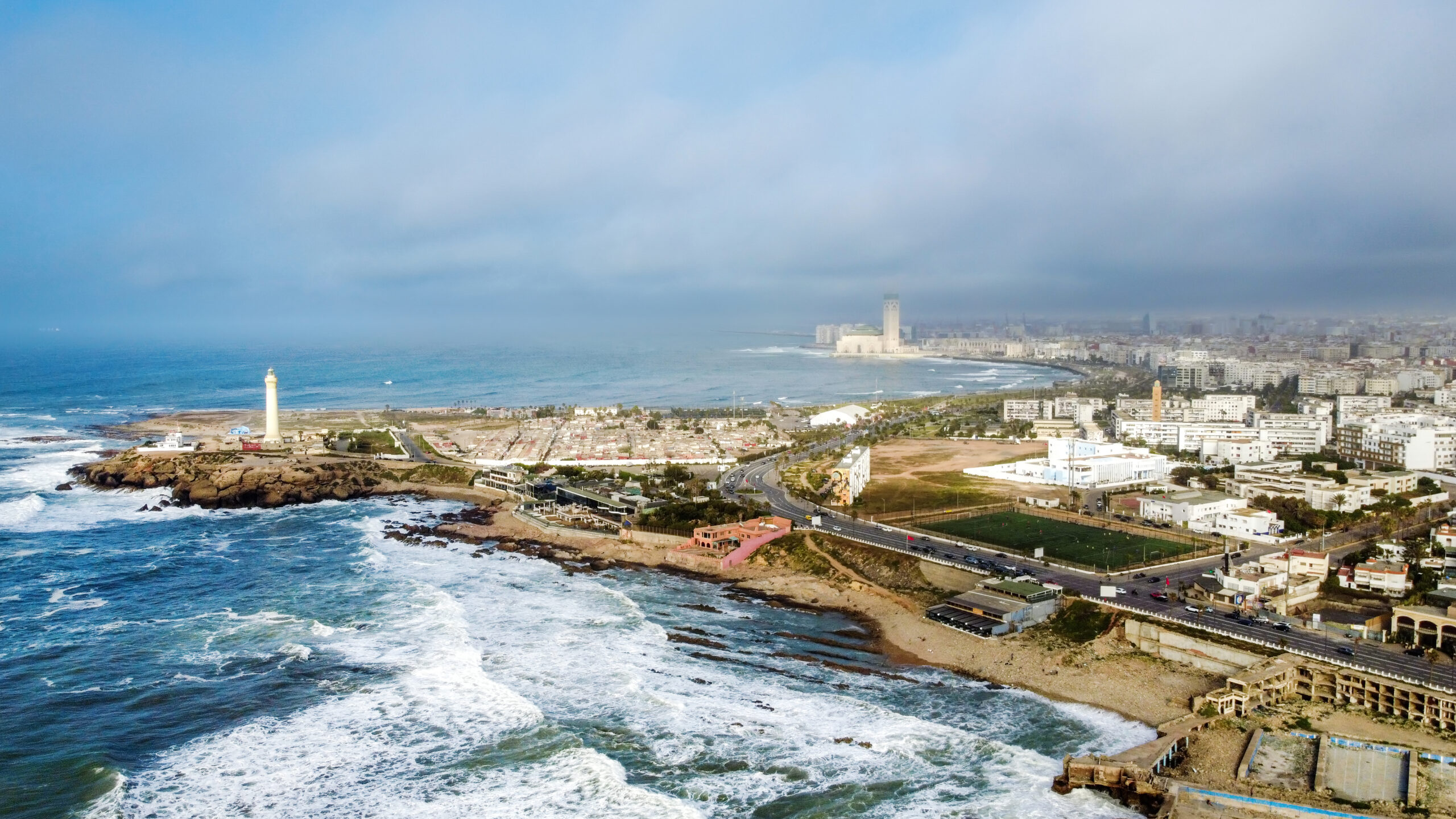
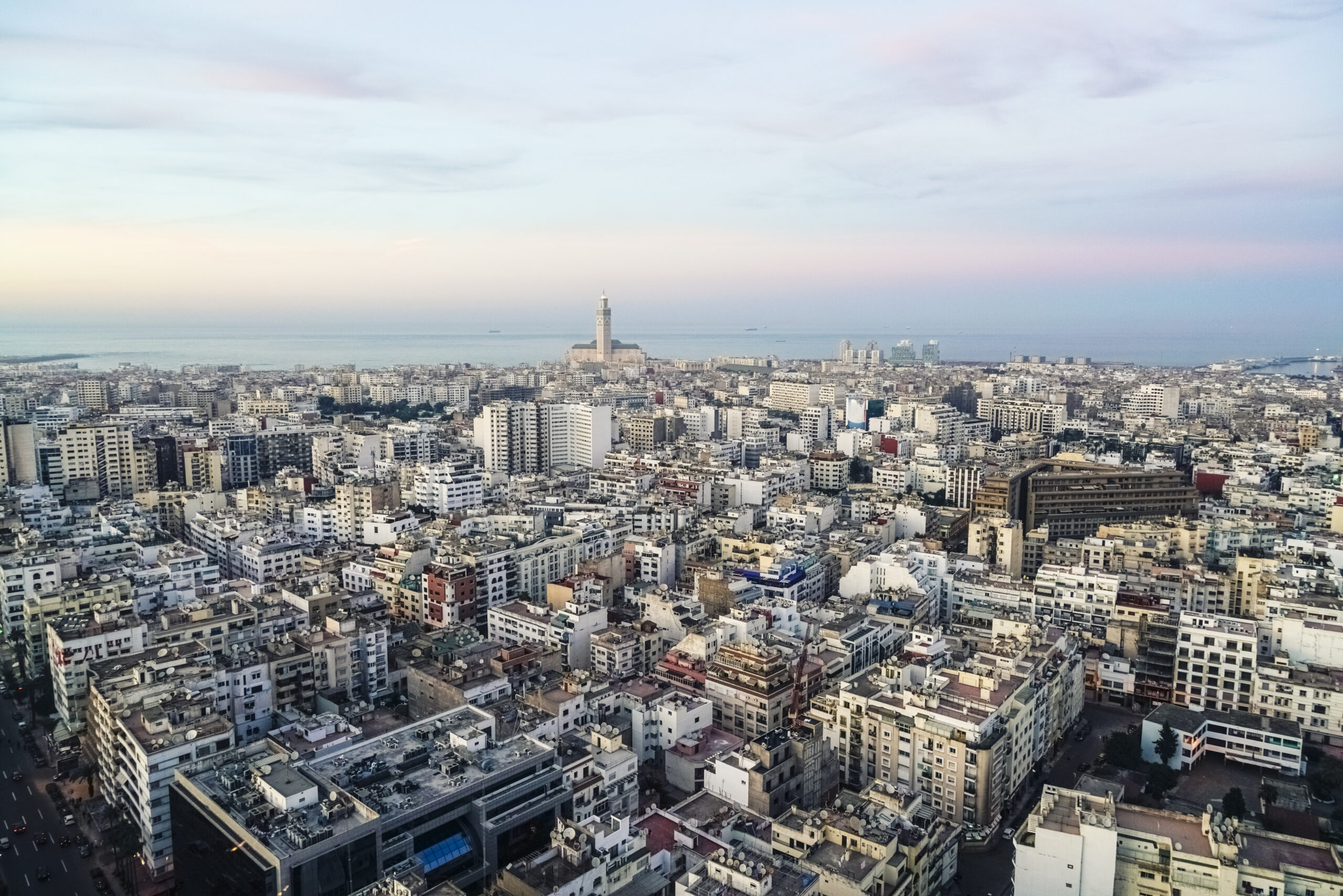
Casablanca is Morocco’s economic engine and, as a result, attracts professionals, entrepreneurs, and families from both within the country and abroad. The city is located on the Atlantic coast, which ensures a mild climate with gentle winters and warm summers that are made bearable by the sea breeze. For many expats, the combination of a cosmopolitan vibe, a long oceanfront promenade, and a relatively affordable cost of living is a major draw. There is a well-established international community, partly due to the presence of multinational companies, consulates, and business districts. At the same time, the city retains a distinct Moroccan character, with lively markets, a historic medina, and a rich culinary tradition. This blend of modern comforts and local culture makes Casablanca a pleasant place for many people to settle down for the long term.
An additional advantage is its excellent accessibility. The Mohammed V International Airport connects the city to many European destinations, which is convenient for those who want to visit family regularly or conduct business on both sides of the Mediterranean. Casablanca is also centrally located relative to other interesting places in Morocco, such as Rabat, Marrakech, and the coastal region. If you’d like to know what else the city has to offer in terms of culture, nightlife, and leisure, you’ll find inspiration in our overview of Things to Do in Casablanca. This will give you a sense of daily life outside of work and home.
The Best Neighborhoods to Live in as an Expat
The neighborhood where you live plays a major role in determining how enjoyable your daily life in Casablanca will be. Expats often choose neighborhoods with a quiet, green atmosphere, good amenities, and a central location relative to work and schools. Below is an overview of neighborhoods that are popular among international residents. You can find a more comprehensive overview of neighborhoods in our article about the Best Neighborhoods in Casablanca, in which we also discuss the atmosphere and price range for each neighborhood.
| Neighborhood | Atmosphere | Suitable for |
|---|---|---|
| Anfa | Exclusive, green, villas | Families and anyone looking for space |
| Ain Diab | Coast, boardwalk, beach clubs | Anyone who wants to live by the sea |
| Gauthier | Chic, central, lively | Professionals and Couples |
| Maarif | Vibrant, shops, restaurants | For those who want to live life to the fullest |
Anfa and Ain Diab
Anfa is known as one of the city’s most sought-after residential areas, featuring spacious villas, high-quality new construction, and plenty of green space. It is popular with families looking for space and tranquility without living too far from the city center. On the coast lies Ain Diab, the Corniche neighborhood, featuring a long boulevard, beach clubs, and ocean views. Those who enjoy living by the water, with walks along the ocean and proximity to shopping centers and nightlife, will feel right at home here. You can read more about this coastal neighborhood in our article on Ain Diab and the Corniche, where we provide further details about the neighborhood's location and character.
Gauthier and Maarif
Gauthier is a chic, centrally located neighborhood that’s popular with professionals and couples. You’ll find trendy cafes, boutiques, and a good mix of apartments there. Right nearby is Maarif, one of the city’s liveliest areas, with plenty of shops, restaurants, and outdoor seating. These neighborhoods appeal to those who want to live right in the heart of the city’s hustle and bustle and enjoy having everything within walking distance. For families who prefer peace and quiet and more space, suburbs and gated communities in the southern part of the city—such as those around Bouskoura and Californie—are often a good option to consider.
Language and Culture
In everyday life in Casablanca, French is the language you’ll use most often. Many aspects of daily life—from administrative matters to shopping and education—are conducted in French. In addition, Arabic, specifically Moroccan Arabic (Darija), is the language locals speak among themselves. English is spoken primarily in international circles, hotels, and certain businesses, but you can’t count on it everywhere. If you take the time to learn or brush up on some French, you’ll find that daily life goes a lot more smoothly and that it’s easier to connect with people. Knowing a few words of Darija is also highly appreciated and often opens doors.
Culturally speaking, Morocco is a welcoming country where hospitality, family, and respect play a central role. As an expat, it’s wise to be aware of local customs and sensitivities, such as those related to clothing, religion, and Ramadan. A respectful and open attitude is appreciated and makes it easier to become part of the community. Many expats find daily life to be relaxed and friendly, with room for both an international lifestyle and immersion in the local culture. Take the time to get to know your surroundings and be patient with administrative matters, which can sometimes move a bit slower than you’re used to.
Cost of Living
One of the reasons expats choose Casablanca is that the cost of living is generally lower than in many Western European cities. Daily groceries at local markets, dining out, and services such as housekeeping are often relatively affordable. At the same time, imported products, international schools, and living in the most exclusive neighborhoods can add up significantly. Your final budget therefore depends heavily on your lifestyle and the choices you make. Those who shop locally and adapt to their surroundings generally live more affordably than those who rely exclusively on international brands and amenities.
It’s a good idea to draw up a realistic monthly budget before you leave, taking into account rent or the costs of owning a home, utilities, transportation, groceries, education, and health insurance. Prices vary by neighborhood, season, and provider, so it’s best to check specific amounts locally or through up-to-date sources. Also keep in mind that purchasing a home involves additional costs. You can read about how these costs are broken down in our article on the Costs Associated with Buying Real Estate, so you won't run into any surprises in that regard either.
International Schools
For expats with children, education is often one of the most important considerations when moving. Casablanca has a wide range of international and French-language schools, each offering different curricula. Many schools follow the French system, while there are also institutions with international, English-language, or other programs. The choice depends on the language you want your child to learn, the family’s future plans, and the school’s location relative to your home. It’s wise to start researching well in advance, as popular schools may have waiting lists and enrollment sometimes needs to be arranged months ahead of time.
When choosing a school, you should consider not only the curriculum but also practical matters such as commute time, the availability of school transportation, and the school’s atmosphere. Many expats base their choice of residence in part on their children’s school, so that the daily commute remains manageable. If possible, request a tour, talk to other expat parents, and inquire about the terms and costs. Because tuition and admission requirements vary by school and are subject to change, it’s best to consult the schools directly and official sources for the most up-to-date information.
Health Care
Casablanca has a well-developed private healthcare sector with modern clinics, hospitals, and specialists, most of whom are located in and around the central neighborhoods. Many expats use private healthcare, and having good international or local health insurance is strongly recommended. In addition, there is a public healthcare system, but the facilities and wait times there may differ from what you are used to. It’s wise to arrange your insurance coverage properly before you leave and to check what coverage you have for both routine care and emergencies. This will help you avoid unpleasant surprises when you need medical care.
In everyday life, interactions with doctors and pharmacies often take place in French, so it helps if you can discuss medical matters in that language or bring someone along who can translate. Pharmacies are plentiful, and common medications are readily available. If necessary, bring a supply of any specific medications with you and take relevant medical records—translated—to your new place of residence. Upon arrival, ask about a family doctor or clinic in the area and write down the contact information for emergencies. Being well-prepared in this regard provides peace of mind and ensures that you’ll know where to go quickly if you get sick.
Transportation and Mobility
Casablanca is a large city, and getting around is an important part of daily life. There are several ways to get around, ranging from private cars and taxis to a tram network that connects different parts of the city. Many expats choose to drive their own cars for the flexibility it offers, especially if they live in the suburbs or drive their children to school. Keep in mind, however, that traffic can be heavy during rush hour and that the driving style is different from what you’re used to in Northwestern Europe. A calm, defensive driving style and a little patience will make getting around much more pleasant.
- Tram: a reliable way to reach central neighborhoods and transportation hubs.
- Taxis: small city taxis for short trips and larger taxis for longer distances.
- Personal car: convenient for families and suburban residents, especially given the heavy traffic.
- Walking and biking: pleasant in quiet neighborhoods, less practical on busy thoroughfares.
- Airport: Mohammed V connects the city to many international destinations.
Which mode of transportation suits you best depends on where you live, your job, and your family situation. If you live in the city center, you can get around a lot on foot or by tram, while residents of the suburbs are often more dependent on cars. When you arrive, ask about the current options and fares, and take your time exploring the different routes before making a final decision. That way, you’ll gradually find the combination that works best for your daily life.
Buying or Renting a Home as an Expat
As an expat in Casablanca, you can either rent or buy a home. Renting is an accessible option and a logical first step, especially if you’re still getting to know the city and its neighborhoods. This way, you can figure out which neighborhood suits you best before making a long-term commitment. When renting, pay attention to the condition of the property, the terms of the lease, the security deposit, and what is and isn’t included. It’s wise to put everything in writing and, if in doubt, seek help from someone who knows the local market and language, so you know exactly what agreements you’re making.
If you’d like to settle down for the long term, buying a home is an option. Foreigners are free to purchase residential real estate in Morocco’s urban areas without needing a residence permit or a Moroccan partner. An important exception applies to agricultural land outside designated zones. When making a purchase, you’ll work with a notary, and it’s strongly recommended that you choose your own independent notary rather than the one suggested by the seller. Also, always have the title deed verified. A complete overview of the purchasing process can be found in our A Complete Guide to Buying Real Estate in Casablanca.
Whether you’re renting or buying, thorough preparation is essential. Get to know the neighborhood, visit the property in person if possible—or have someone do it for you—and have important documents and contracts reviewed before you sign. When buying a home, be sure to factor in additional costs and taxes, and include them in your budget from the start. By taking things step by step and staying well-informed, you’ll avoid mistakes and find a home that fits your needs and your life in Casablanca.
Practical Tips for a Smooth Start
Moving to a new country goes more smoothly if you take care of a few things ahead of time. The following practical tips will help you start your expat adventure in Casablanca well-prepared:
- Make sure to get your important documents ready well in advance and arrange for translations or legalizations as needed.
- Explore different neighborhoods in person before choosing a home, so you can be sure the neighborhood fits your lifestyle.
- Brush up on your French or learn the basics—it will make your daily life noticeably easier.
- Make sure you have appropriate health insurance and write down contact information for emergencies.
- Open a local bank account and inquire about the options for payments and transfers.
- Build a network through expat groups, neighbors, and coworkers to help you settle in more quickly.
Also, give yourself time to adjust. The first few months are often a period of adjustment, during which you’ll get to know the city, take care of practical matters, and establish your routines. Be patient with administrative processes and don’t hesitate to ask for help from people who already know the city well. The more open you are to the local culture and customs, the more enjoyable and fulfilling your life as an expat in Casablanca will be. With realistic expectations and thorough preparation, you’ll lay a solid foundation for a successful stay.
Common Mistakes You Should Avoid
- Don't explore the neighborhood in person before you rent or buy a home.
- Not taking the language sufficiently into account and starting daily life without knowing any French.
- When making a purchase, use the seller's notary instead of your own independent notary.
- Failing to arrange appropriate health insurance that covers both routine care and emergencies.
- Signing important documents and contracts without having them reviewed first.
Frequently Asked Questions
Is Casablanca a good city for expats?
Many expats find Casablanca appealing because of its economic vitality, mild coastal climate, international community, and cost of living, which is generally lower than in many Western European cities.
In which neighborhoods do most expats live?
Popular neighborhoods include Anfa, Ain Diab, Gauthier, and Maarif. Families looking for space and tranquility also often consider greener suburbs and gated communities in the southern part of the city.
What language do I need to know in Casablanca?
French is the most important language in everyday life, alongside Moroccan Arabic (Darija). English is spoken in international circles, but you can't count on it everywhere. Learning French makes life easier.
Are there any international schools in Casablanca?
Yes, the city has a wide range of international and French-language schools with different curricula. Start looking into your options early, as popular schools may have waiting lists, and check with the schools directly for the latest requirements.
What is healthcare like for expats?
Casablanca has a well-developed private healthcare sector with modern clinics and specialists. A good international or local health insurance plan is highly recommended. Be sure to arrange your coverage before you leave.
As a foreigner, am I allowed to buy a home?
Yes, foreigners are free to purchase residential real estate in Morocco’s urban areas without a residence permit or a Moroccan spouse. An exception applies to agricultural land outside designated zones. Work with your own independent notary.
Should I rent first or buy right away?
Renting is an easy first step that allows you to get to know the neighborhoods. If you’re planning to settle down for the long term, buying might be a good option. In either case, be sure to prepare thoroughly and have contracts and title deeds reviewed.
Please note: The prices, rates, and taxes listed are estimates based on public sources (2026) and may vary by neighborhood, project, and time. Always have the exact amounts confirmed by your notary, bank, or real estate agent before entering into any commitment.


 Dutch
 English
 French