 Skip to content


Buying a riad in Casablanca captures the imagination, but it’s a unique project that you need to approach with your eyes wide open. A riad is a traditional home with a courtyard and rooms that face inward. The most iconic riads are found in Marrakech and Fes, where entire neighborhoods consist of these properties. In Casablanca, a modern economic hub, you’ll find authentic traditional homes primarily in the old medina (ancienne medina). The main points to consider are the title deed—since many older properties have a Melkia title rather than a registered Titre Foncier—and the structural condition, as renovations can quickly become quite costly. In this article, you’ll learn what a riad is, where to find them in Casablanca, how to verify the title and condition, and who this type of purchase is suitable for.
Summary: These are the key points
- What is a riad: A traditional house built around a courtyard, most iconic in Marrakech and Fes.
- In Casablanca: You'll find authentic traditional buildings mainly in the old medina (ancienne medina).
- Title of Ownership: Old medina properties often have a Melkia instead of a Titre Foncier; this is the biggest risk.
- Recommendation: Have a Melkia converted to a Titre Foncier before you sign.
- Structural condition: If you're planning to renovate a riad, have its condition inspected beforehand.
- Alternative: If you're looking for security and convenience, you're better off considering an apartment or a new construction.
- Costs: In addition to the price, expect 6 to 8 percent in additional costs, plus the renovation budget.
What exactly is a riad?
A riad is a traditional home built around a central courtyard or garden. The rooms face inward toward the courtyard, and the exterior walls are often closed off from the street. This design provides tranquility, privacy, and a pleasant temperature, even when it’s busy and hot outside. Characteristic features include artisanal details such as tile work (zellige), wood carvings, and stucco. This type of residence is most iconic in cities like Marrakech and Fes, where historic medinas are filled with riads, some of which have been converted into homes or guesthouses. It’s important to note that a true riad is primarily an urban, historical phenomenon and not a standard type of home that you’ll find in the same form throughout Morocco.
In practice, the term “riad” is sometimes used broadly to refer to any traditional home with a courtyard. A classic riad typically has multiple floors that open onto the courtyard, often featuring a fountain or landscaping in the center and a rooftop terrace at the top. Because these buildings are handcrafted and often old, each one varies greatly in size, layout, and condition. That is precisely what makes a riad charming, but also difficult to compare: there is no fixed price per square meter as there is with modern apartments. The price and quality vary by street and by property, and the condition of the property largely determines how much you’ll need to invest after purchase.
Where can you find a riad in Casablanca?
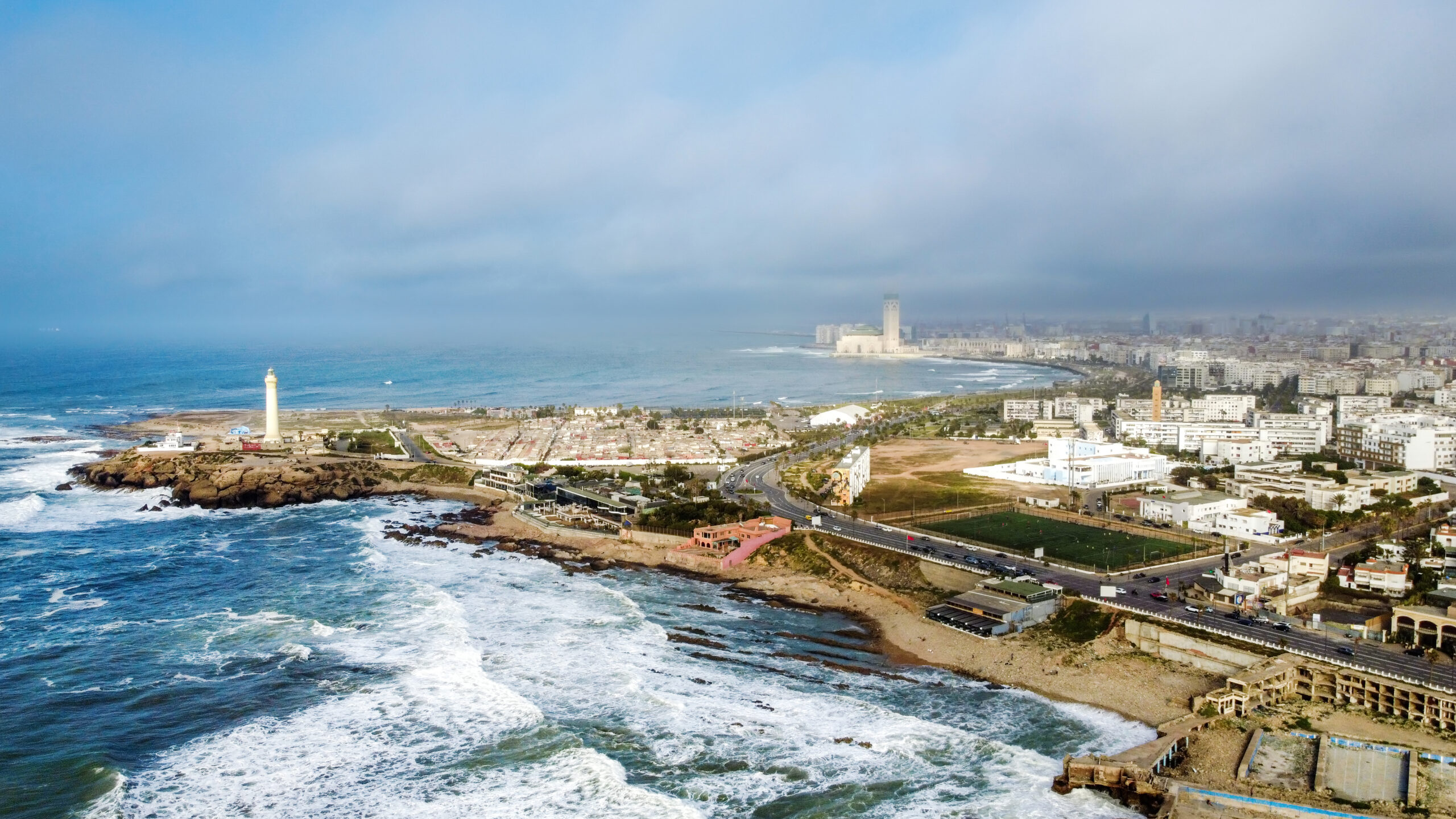
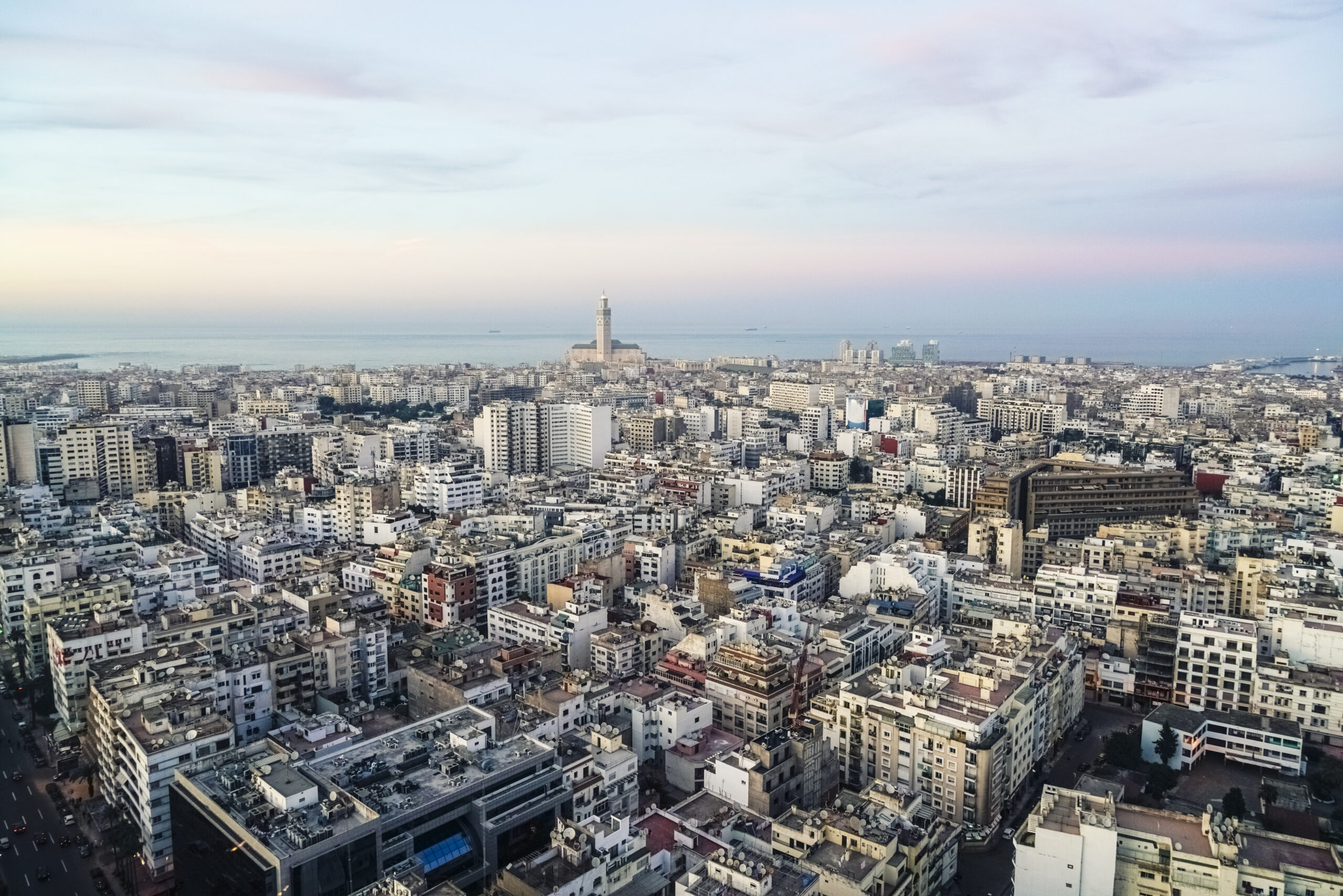
Casablanca is first and foremost the modern economic capital of Morocco, with business districts, apartments, and villas. It is not a city known for its riads in the same way that Marrakech and Fes are. Yet Casablanca also has a historic center: the old medina, the “ancienne medina,” located near the harbor and downtown. Here you’ll find the city’s most authentic traditional homes, nestled in narrow streets with a unique atmosphere. Don’t expect a sprawling historic district like those in the tourist-friendly imperial cities, though. Casablanca’s old medina is more compact, and the buildings vary widely in condition, ranging from neglected to carefully maintained.
Those who deliberately choose the charm and location of the old medina will find traditional properties there that are ideal for a renovation project or a second home with character. Keep in mind that the selection is limited and subject to change, and that the legal and structural conditions of each property must be thoroughly investigated. Outside the old medina, you’ll find mostly modern homes in Casablanca. If you’re looking for space and a garden in a more classic style, you’ll want to consider a villas in neighborhoods such as Anfa or Bouskoura than a real riad. So it's important to be realistic about what Casablanca has to offer in this regard.
The main point of concern: the title to the property
When it comes to traditional properties in the old medina, the title deed is the most important consideration. In Morocco, there are two types of title deeds, and the difference between them is crucial. A Titre Foncier is a registered, state-guaranteed title deed recorded with the land registry (ANCFCC). This title is reliable, eligible for financing, and carries a low risk of disputes. A Melkia, on the other hand, is a traditional document drawn up by adouls that is not registered. Old properties in the medina often have this type of Melkia title, and that is where the greatest risk of this type of purchase lies. Read more about this in our in-depth article on the Title to Property: Titre Foncier vs. Melkia.
Why a Melkia Is Risky
A Melkia title is not registered with the land registry, which means that ownership is less clear and less secure than with a Titre Foncier. The risk of disputes is higher, for example, because multiple heirs may lay claim to the same property or because the exact boundaries are unclear. In addition, a Melkia is difficult to finance: Moroccan banks generally do not grant mortgages on properties without a registered title. For a foreign buyer seeking certainty, an unregistered title is therefore a serious red flag. Never purchase a property based on a Melkia without having an independent notary thoroughly investigate the situation and explain exactly what risks are involved.
Change the title before signing
We strongly recommend converting a Melkia into a Titre Foncier before finalizing the purchase. This conversion ensures that the property is officially registered with the land registry, with all the legal protections that come with it. It is wise to include this as a condition in the negotiations: have the seller arrange for the title transfer, or handle the process yourself with your own notary before any money changes hands. Keep in mind that such a conversion takes time and isn’t always straightforward, especially if there are multiple owners or heirs involved. A clear, registered title is the foundation of a secure purchase; however, it does not specify what you’re allowed to build or renovate, so be sure to also check the zoning regulations.
Structural Condition and Renovation
In addition to the title, the structural condition is the second major consideration. Many traditional properties in the old medina are old and have received little maintenance over the years. Therefore, you should often approach a riad as a renovation project rather than a move-in-ready home. Have the property inspected in advance by a structural engineer or a reliable contractor so that you can get a realistic picture of the condition of the foundation, the walls, the roof, moisture levels, and the water and electrical connections. A beautiful-looking courtyard can sometimes hide overdue maintenance issues that only become apparent during the renovation. A thorough inspection beforehand will prevent you from facing costly surprises after the purchase.
Renovating a traditional building can be quite costly, especially if you want to restore artisanal details such as tilework, stucco, and wood carvings. Tradespeople who specialize in this type of traditional work are highly skilled, and costs vary greatly depending on the building and the scope of the project. Therefore, don’t just factor in the purchase price; draw up a realistic renovation budget in advance, including a contingency fund for unexpected expenses. Also keep in mind that working in a narrow medina street is logistically more challenging: delivering materials and hauling away debris takes more effort and time. Below are the key points you should definitely have checked before making an offer.
- The foundation, the load-bearing walls, and any cracks that may form.
- The roof, the rooftop terrace, and the waterproofing against rain.
- Moisture, because older buildings in the medina often suffer from rising damp.
- The connections for water, electricity, and sewer service.
- The condition of traditional elements such as tilework, stucco, and woodwork.
Who is a riad suitable for?
A riad isn’t a purchase for everyone. It’s best suited for buyers who appreciate character, authenticity, and the craftsmanship of a traditional property—and who are willing to invest time, attention, and money into a renovation. Those who aren’t afraid of a project and appreciate the charm of the old medina can find great satisfaction in it. It’s less suitable for buyers seeking certainty, convenience, and a predictable return on investment, as the uncertainty surrounding the title, the property’s condition, and renovation costs makes this a more complex process than buying a modern home. Be honest with yourself about how much risk and hassle you can handle before embarking on such an adventure.
For those who are primarily interested in renting out a property or are looking for a stable investment, other types of housing in Casablanca are generally a better choice. A apartment is the most common type, easy to rent out and low-maintenance, while new construction It is modern and energy-efficient, and is often exempt from property tax for the first five years. That’s why you usually choose a riad out of a love for the building and its atmosphere, rather than primarily as a financial decision. Understanding this distinction helps you begin the process with the right expectations and avoid disappointment later on.
Costs, Permits, and the Purchase Process
When purchasing a riad, you’ll also pay the usual additional costs in Morocco on top of the purchase price. Expect a total of about 6 to 8 percent on top of the price: registration fees of about 4 percent for developed real estate, land registry fees of 1 to 1.5 percent, and notary fees of 0.5 to 1.5 percent plus VAT, plus stamp duties and administrative fees. You can find a complete overview in our article about the Costs Associated with Buying Real Estate in Casablanca. With a riad, you also have to factor in the renovation budget, which is often the largest expense in this type of purchase. Be sure to include both of these items in your total budget from the start, so you don’t run out of funds halfway through the project.
The purchase process is broadly the same as for any purchase in Casablanca. First, you sign a preliminary purchase agreement (compromis de vente) at the notary’s office and deposit a down payment of 10 to 20 percent into an escrow account. Next, the title is verified at the land registry, and finally, you sign the final deed (acte de vente) at the notary’s office. This title verification is especially important when purchasing a riad, as it reveals the difference between a Melkia and a Titre Foncier. Always use your own independent notary, not the seller’s. Furthermore, a clear title says nothing about what you’re allowed to renovate, so inquire in advance about the property’s zoning and any permits you may need for the renovation.
Comparing a riad to an apartment and a new construction
To make an informed decision, it helps to compare a riad with the two most common alternatives in Casablanca: an apartment and a newly built home. Each type has its own characteristics in terms of security, maintenance, and convenience. The table below outlines the key differences, so you can see where a riad stands out and where the risks lie. Use this comparison as a starting point and tailor your final choice to your personal goal, whether that’s living in a home with character, renting it out, or making a safe investment.
| Aspect | Riad (Old Medina) | Apartment | New construction |
|---|---|---|---|
| Title | often Melkia, higher risk | usually a land title deed | Land Title |
| State | frequent renovation project | usually ready to move in | new and modern |
| Maintenance | high-quality, artisanal work | low | low |
| Marketability | Varies depending on the property | good | good |
| Property Tax | standard rate | standard rate | often exempt for 5 years |
| Suitable for | lovers of character | a broad group of buyers | For those looking for modernity and convenience |
The comparison shows that a riad stands out primarily for its character and charm, but that it falls short of an apartment or new construction in terms of security and convenience. A riad clearly requires more attention and a larger budget when it comes to the title, condition, and maintenance. Those who are willing to make that effort will be rewarded with a unique property full of character. Those seeking above all peace and predictability are better off with a modern home. A complete overview of all property types, neighborhoods, and the purchasing process can be found in the A Complete Guide to Buying Real Estate in Casablanca, so you can put your choice in the right context.
Common Mistakes You Should Avoid
- Buying a property with a Melkia title without first having it converted to a Titre Foncier.
- Failing to have the building inspected and thereby underestimating the renovation costs.
- Do not set aside a realistic renovation budget with a contingency fund in addition to the purchase price.
- Viewing a riad as a safe investment rather than as a renovation project with character.
- Use the seller's notary instead of your own, independent notary.
Frequently Asked Questions
Are there many riads for sale in Casablanca?
The selection is limited and varies. In Casablanca, authentic traditional buildings are found mainly in the old medina (ancienne medina). The city is less well known for its riads than Marrakech or Fes.
What is the biggest risk when staying at a riad in the old medina?
The title deed. Older properties often have a Melkia instead of a registered Titre Foncier. Have the title converted to a Titre Foncier before you sign, and use your own notary.
Can I get a mortgage on a riad with a Melkia?
Generally not. Moroccan banks almost exclusively finance properties with a registered Titre Foncier. A Melkia is difficult to finance, which is another reason to convert the title first.
How much does it cost to renovate a riad?
That varies greatly depending on the property and the scope of the project. Traditional restoration of tilework, stucco, and woodwork is specialized work. Have the condition of the property inspected in advance and set a realistic renovation budget with a contingency fund.
What additional costs will I have to pay on top of the purchase price?
Expect to pay about 6 to 8 percent: registration fees (about 4 percent), land registry fees (1 to 1.5 percent), and notary fees (0.5 to 1.5 percent plus VAT). For a riad, you’ll also need to factor in the renovation budget.
Is a riad a good investment?
You usually choose a riad because you love the property and its atmosphere, not as a surefire investment. If you’re looking for a stable return and convenience, you’re generally better off with an apartment or a new-construction property.
As a foreigner, can I buy a riad?
Yes. Foreigners are free to purchase residential real estate in urban areas of Morocco without a residence permit or a Moroccan partner. When purchasing a riad, be especially careful to check the title and the structural condition.
Please note: The prices, rates, and taxes listed are estimates based on public sources (2026) and may vary by neighborhood, project, and time. Always have the exact amounts confirmed by your notary, bank, or real estate agent before entering into any commitment.


 Dutch
 English
 French